1. The Undetectable Engineers of Concrete Toughness
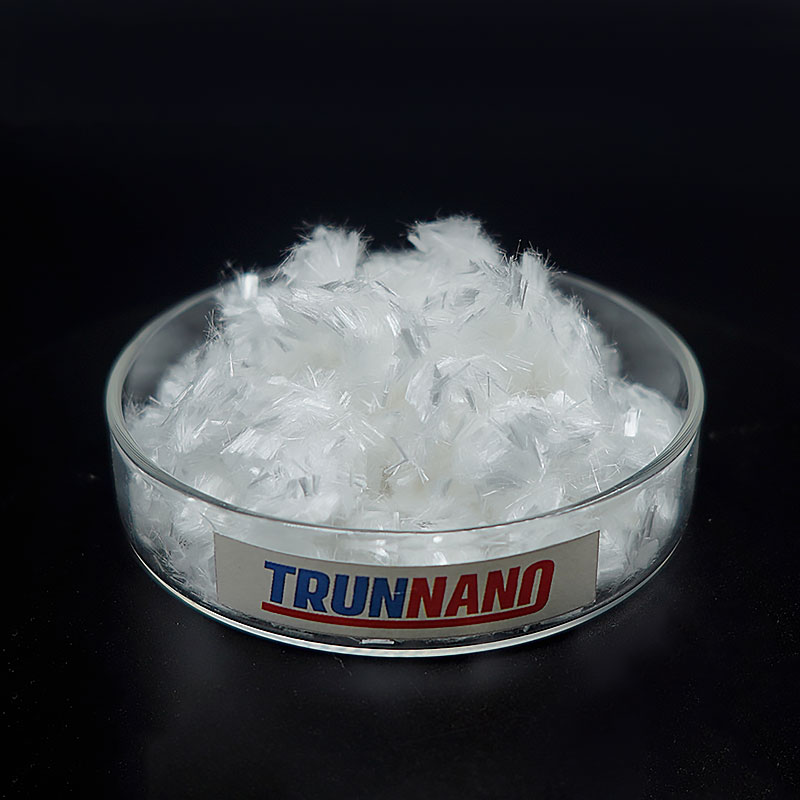
Photo a concrete slab as a huge cracker– challenging when squeezed, however shattering at the initial bend. For years, engineers propped it up with steel bars, but a quieter revolution has actually taken root: concrete fiber. These microscopic hairs, finer than a human hair, are transforming concrete from a breakable block right into a resistant structure. From airport terminal paths that sustain limitless aircraft landings to earthquake-proof structures, concrete fiber functions as the unnoticeable designer, weaving stamina into frameworks we rely on daily. It doesn’t just patch cracks; it stops them before they start, changing concrete right into a product that thinks like nature’s most difficult rock.
(Concrete Fiber)
What makes concrete fiber so transformative? Unlike cumbersome rebar, it disperses through concrete like a net, producing an internet of support. A single fiber seems unimportant, but countless them form a distributed protection system. When tension draws concrete apart, fibers stretch, bridge gaps, and share the load– like thousands of little shock absorbers. This moves concrete from “fragile failure” (shattering suddenly) to “ductile resistance” (flexing without damaging), a game-changer for jobs where integrity is non-negotiable.
2. How Concrete Fiber Quits Cracks Prior To They Start
At the heart of concrete fiber’s power is a simple objective: intercepting fractures at the mini level. When concrete dries or bears weight, little microcracks develop– like hairline cracks in glass. Without support, these combine right into bigger splits, resulting in collapse. Concrete fiber interrupts this domino effect by serving as a “molecular bridge.” When a crack tries to widen, fibers extending the gap get drawn taut, standing up to separation. Think about it as embedding hundreds of elastic band in concrete: they stretch, take in power, and keep the material undamaged.
Not all concrete fibers are alike. Steel fibers, for example, are the “muscular tissues,” improving tensile strength to assist concrete resist pulling forces– perfect for sturdy floorings. Artificial fibers made from polypropylene or nylon act like “adaptable tendons,” regulating contraction cracks as concrete dries. Glass fibers supply deterioration resistance, ideal for damp environments like sewage containers. All-natural fibers, such as jute or coconut, bring environment-friendly appeal however demand therapy to prevent decomposing. Each type customizes concrete fiber to a certain challenge.
Circulation is vital. If concrete fibers clump, they develop weak spots. Engineers tweak mixing times, speeds, and fiber length (typically 12– 60 mm– enough time to span fractures, short sufficient to mix smoothly) to make sure even spread out. This transforms concrete from a monolithic block into a smart composite: it detects stress and reacts by sharing the lots, like a team of small assistants working in sync.
3. Crafting Concrete Fiber Blends Art Meets Design
Making concrete fiber-reinforced concrete is part scientific research, component craft. It begins with picking the right concrete fiber for the task. A freeway project might choose steel fibers for their brute strength, while a household patio area can utilize synthetic fibers to keep costs reduced. When chosen, fibers are blended into the concrete slurry with care– as well quick, and they tangle; also slow-moving, and they clear up. Modern plants utilize automated systems that monitor mixing rate and time, making sure each set has fibers equally spread.
The mixing process itself is crucial. Concrete’s base active ingredients– concrete, sand, accumulation, water– have to bond tightly with concrete fiber. Way too much water weakens the mix, so makers adjust the water-cement proportion to keep fibers from floating or sinking. Some plants precoat fibers with a bonding agent, assisting them grip the cement paste like Velcro. After mixing, samples are crushed to examine toughness, and microscopic lens check for globs. Only sets that pass these checks reach building sites.
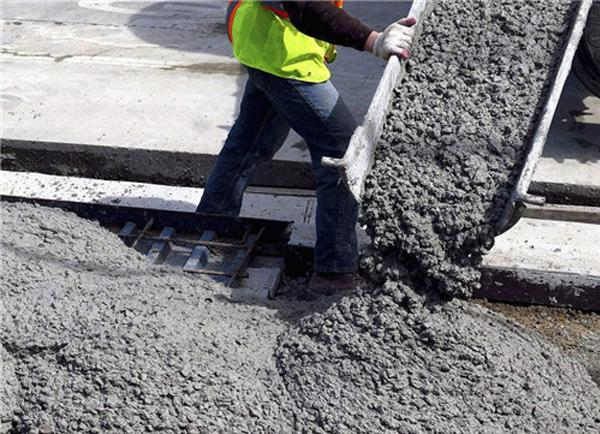
Quality control does not finish there. On-site, workers vibrate the concrete to eliminate air pockets that can conceal concrete fibers, after that cure it by maintaining it moist as it hardens. Appropriate treating allows cement fully moisturize, creating a strong matrix around each fiber. This attention to information transforms an easy mix into a product that outlasts standard concrete by decades.
4. Concrete Fiber at work From Roadways to Skyscrapers
Concrete fiber is everywhere, silently strengthening the world around us. In metropolitan facilities, it’s a lifeline for roadways and bridges. Airport terminal runways, battered by jet engines, utilize steel fibers to reduce exhaustion splits– one major flight terminal reported a 50% drop in upkeep after switching. Bridges, stressed by temperature level swings, count on concrete fiber to avoid cracks, prolonging their life in harsh climates.
Structures lean on concrete fiber as well. Storage facility floors, struck by forklifts, utilize artificial fibers to stay clear of breaking. Skyscraper structures use steel fibers to withstand soil settlement. In earthquake zones, concrete fiber-reinforced wall surfaces flex with seismic waves instead of collapsing, saving lives. Even ornamental concrete, like park pathways, uses fibers to stay crack-free under foot traffic.
( Concrete Fiber)
Water monitoring is one more frontier. Dams and canals lined with concrete fiber resist infiltration and freeze-thaw damage– important in cool regions. Industrial tanks keeping chemicals use glass fibers to fight deterioration. Specialized utilizes are plentiful: passage cellular linings deal with ground pressure, offshore platforms endure deep sea, and farming silos save grain without fracturing. Concrete fiber isn’t just an upgrade; it’s a requirement for contemporary sturdiness.
5. Past Strength The Hidden Benefits of Concrete Fiber
Concrete fiber does greater than increase stamina– it addresses numerous issues simultaneously. Typical concrete shrinks as it dries out, causing cracks. Concrete fiber acts like interior restrictions, cutting contraction by 30– 50%, suggesting less repairs for new structures.
Resilience gets a lift too. Concrete fiber stands up to freeze-thaw cycles (where water in cracks expands when frozen) and chemical assaults, like roadway salt. Researches show concrete fiber subjected to deicing salts lasts two times as long as routine concrete. It likewise slows heat penetration, boosting fire resistance and offering passengers extra get away time.
Building obtains easier. With concrete fiber, jobs need much less steel rebar– no cutting, bending, or connecting bars. Formwork (concrete molds) can be removed faster, speeding up timelines. DIYers like it too: fiber-reinforced blends are easier to put and shape for patios or yard walls.
Eco-friendliness is emerging. Some concrete fibers are made from recycled plastics or ranch waste, diverting trash from landfills. By making concrete stronger, fibers minimize the quantity of cement needed– reducing carbon exhausts, given that concrete production triggers 8% of global CO2. Small actions, large impact.
6. The Future of Concrete Fiber Wiser Stronger Sustainable
The next generation of concrete fiber is already right here. Smart fibers installed with sensors keep an eye on structural health and wellness in genuine time, signaling designers to tension prior to cracks create. These “living” concrete systems might transform buildings into self-diagnosing structures.
Sustainability drives advancement. Scientists are evaluating bamboo, hemp, and algae fibers– fast-growing, carbon-sequestering products. Recycled steel fibers from old vehicles are obtaining grip, shutting resource loopholes. Nanofibers, 100 times thinner than hair, assure steel-like toughness with foam-like lightness.
3D printing is a frontier. Printers lay down concrete fiber in exact patterns, optimizing fiber positioning for certain stress and anxieties. This “published design” produces complex shapes– curved bridges, natural exteriors– as soon as impossible. Faster printers can quickly enable cost effective, personalized real estate with concrete fiber at its core.
Plan and need are pushing adoption. Federal governments upgrade building codes to prefer long lasting materials, and environment-friendly certifications reward concrete fiber use. Consumers want facilities that lasts, not roadways full of fractures in five years. This change guarantees concrete fiber will certainly relocate from niche to standard.
Concrete fiber’s tale is just one of peaceful change. What began as a repair for cracks has grown into an innovation redefining toughness, toughness, and sustainability. As cities broaden and environment stress install, these tiny hairs will stand up the globe– one fiber each time.
7. Provider
Cabr-Concrete is a supplier under TRUNNANO of concrete fiber with over 12 years of experience in nano-building energy conservation and nanotechnology development. It accepts payment via Credit Card, T/T, West Union and Paypal. TRUNNANO will ship the goods to customers overseas through FedEx, DHL, by air, or by sea. If you are looking for concrete fiber , please feel free to contact us and send an inquiry.
All articles and pictures are from the Internet. If there are any copyright issues, please contact us in time to delete.
Inquiry us