A new thermal interface solution is now available for high power silicon carbide MOSFET modules. The solution uses boron nitride ceramic plates. These plates offer excellent thermal conductivity and electrical insulation. They help manage heat in demanding power electronics applications.
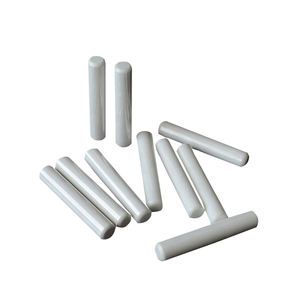
(Boron Nitride Ceramic Plates for Thermal Interface for High Power Silicon Carbide MOSFET Modules)
Boron nitride ceramic plates are made to handle high temperatures without losing performance. They stay stable even under extreme thermal cycling. This makes them ideal for use in electric vehicles, renewable energy systems, and industrial motor drives. The material does not conduct electricity but moves heat away quickly. This balance is hard to achieve with other materials.
Manufacturers face growing pressure to improve efficiency and reliability in power modules. Traditional thermal interface materials often fall short under high load conditions. Boron nitride ceramic plates solve this problem. They provide a direct path for heat to escape from the MOSFET die to the heatsink. This reduces hot spots and extends component life.
The plates are easy to integrate into existing module designs. They come in standard sizes and can be customized for specific layouts. Their smooth surface ensures good contact with both the chip and the cooling system. This minimizes thermal resistance at every interface.
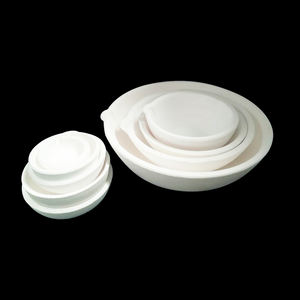
(Boron Nitride Ceramic Plates for Thermal Interface for High Power Silicon Carbide MOSFET Modules)
Demand for wide-bandgap semiconductors like silicon carbide continues to rise. These devices run hotter and faster than older silicon parts. Effective thermal management is no longer optional—it is essential. Boron nitride ceramic plates meet this need with a simple, robust design. Companies adopting this technology report better performance and fewer failures in the field. Production lines are already using these plates in next-generation power modules.